Custom QR Code Generator: The Complete 2026 Guide
Everything you need to know about creating custom QR codes with logos in 2026. Compare top generators, learn design best practices, and discover how to boost engagement with branded QR codes.
The QR code market is experiencing unprecedented growth. With scans reaching 41.77 million in 2026—a staggering 433% increase over four years—businesses are realizing that generic black-and-white squares no longer cut it. Today's consumers expect branded, customized experiences at every touchpoint, and QR codes are no exception.
If you're still using basic QR code generators, you're leaving money on the table. Custom-designed QR codes with logos boost scan rates by up to 40%, according to recent industry data. But with dozens of generators flooding the market, how do you choose the right one?
This guide cuts through the noise. We've analyzed the landscape, tested the tools, and compiled everything you need to create QR codes that actually convert.
Why Custom QR Codes Matter in 2026
Generic QR codes work. But branded QR codes work better—much better.
The numbers tell the story. Businesses using customized QR codes report 60% higher engagement rates compared to standard black-and-white codes. The reason is simple: trust. When consumers see your logo embedded in a QR code, they recognize your brand instantly. That recognition translates to confidence, and confidence drives action.
But it's not just about aesthetics. The QR code landscape has matured dramatically. In 2026, 59% of consumers scan QR codes daily. They're no longer a novelty; they're an expectation. And like any marketing touchpoint, your QR codes need to reflect your brand identity.
Consider this: You wouldn't send a generic email blast without your logo and brand colors, would you? The same logic applies to QR codes. They're digital entry points to your content, your products, your brand. Make them count.
Static vs. Dynamic: The Decision That Defines Your Strategy
Before diving into design tools, you need to understand the fundamental difference between static and dynamic QR codes. This choice affects everything from cost to functionality to long-term ROI.
Static QR codes encode data directly into the code pattern. Once generated, the destination is permanent. Change the URL? You'll need a new code. This works fine for permanent use cases—business cards, product packaging with consistent URLs, or printed materials with fixed destinations.
Dynamic QR codes work differently. They encode a short redirect URL that points to your actual destination. Want to change where it leads? Just update the redirect. No reprinting required. This flexibility transforms how you use QR codes.
The market reflects this shift. Dynamic QR codes garnered 7,181,345 scans in 2026, with businesses increasingly recognizing their value for campaigns that evolve. You can A/B test landing pages, update seasonal promotions, or fix broken links—all without touching the printed code.
For marketing campaigns, the choice is clear: dynamic codes offer measurable advantages. They enable analytics tracking, destination updates, and campaign optimization that static codes simply can't match.
Essential Features Every QR Code Generator Should Have
Not all QR code generators are created equal. Some offer basic customization; others provide enterprise-grade tools. Here's what separates the professional platforms from the amateur hour tools.
Logo Integration Your QR code should accommodate logo placement without compromising scannability. Quality generators use error correction algorithms to ensure codes remain readable even with logos covering up to 30% of the pattern. Test this rigorously—a pretty code that doesn't scan is worthless.
Color Customization Black and white works, but brand colors work better. Look for generators that support full RGB color selection, gradients, and custom backgrounds. Just remember: contrast is king. Ensure sufficient contrast between foreground and background elements, or you'll sacrifice scan reliability.
Multiple Export Formats Professional workflows demand flexibility. You need SVG for print materials, PNG for digital use, and potentially PDF for complex layouts. Platforms that only export low-resolution PNGs limit your options.
Analytics and Tracking If you can't measure it, you can't improve it. Dynamic QR codes should provide scan analytics including location data, device types, timestamps, and referrer information. This data informs campaign optimization and proves ROI to stakeholders.
Bulk Generation Running campaigns across multiple products or locations? Bulk generation tools let you create hundreds of customized codes at once, each with unique destinations but consistent branding.
How to Design QR Codes That Actually Get Scanned
Design flexibility is worthless if people don't scan your codes. Here's what actually works in 2026.
Start with contrast. Your QR code needs clear differentiation between light and dark elements. While brand colors add personality, they must maintain readability. A rule of thumb: if it's hard to read in black and white, it won't scan well in color.
Size matters more than you'd think. For print materials, aim for at least 2 x 2 cm (0.8 x 0.8 inches) at minimum. Digital displays can go smaller, but not much. The scanning distance equation is simple: the further away, the larger the code needs to be.
Frame your code with context. A naked QR code floating on a poster raises questions: Where does it lead? Why should I scan it? Add a clear call-to-action: "Scan for 20% off," "View the menu," or "Get the app." This simple addition can double scan rates.
Test across devices before finalizing. What scans perfectly on your iPhone might fail on Android, or vice versa. Run tests across multiple devices and scanning apps. Most generators provide test scan functionality—use it.
Real-World Applications Driving ROI
QR codes aren't one-size-fits-all. Different industries leverage them in distinct ways, each with proven ROI potential.
E-commerce and Retail Product packaging with QR codes directing to detailed specs, customer reviews, or video demonstrations. One retail brand reported a 40% increase in online conversions after adding QR codes to in-store displays linking to their e-commerce platform.
Restaurants and Hospitality Digital menus became standard during the pandemic and stuck around because they work. But the smart operators went further—QR codes for loyalty programs, feedback forms, and Instagram follows. One restaurant chain increased their review volume by 300% through strategic QR code placement on receipts.
Events and Marketing Campaigns Event badges, posters, and promotional materials with QR codes for registration, content downloads, or social media engagement. The trackability here is gold—you know exactly which materials drove action.
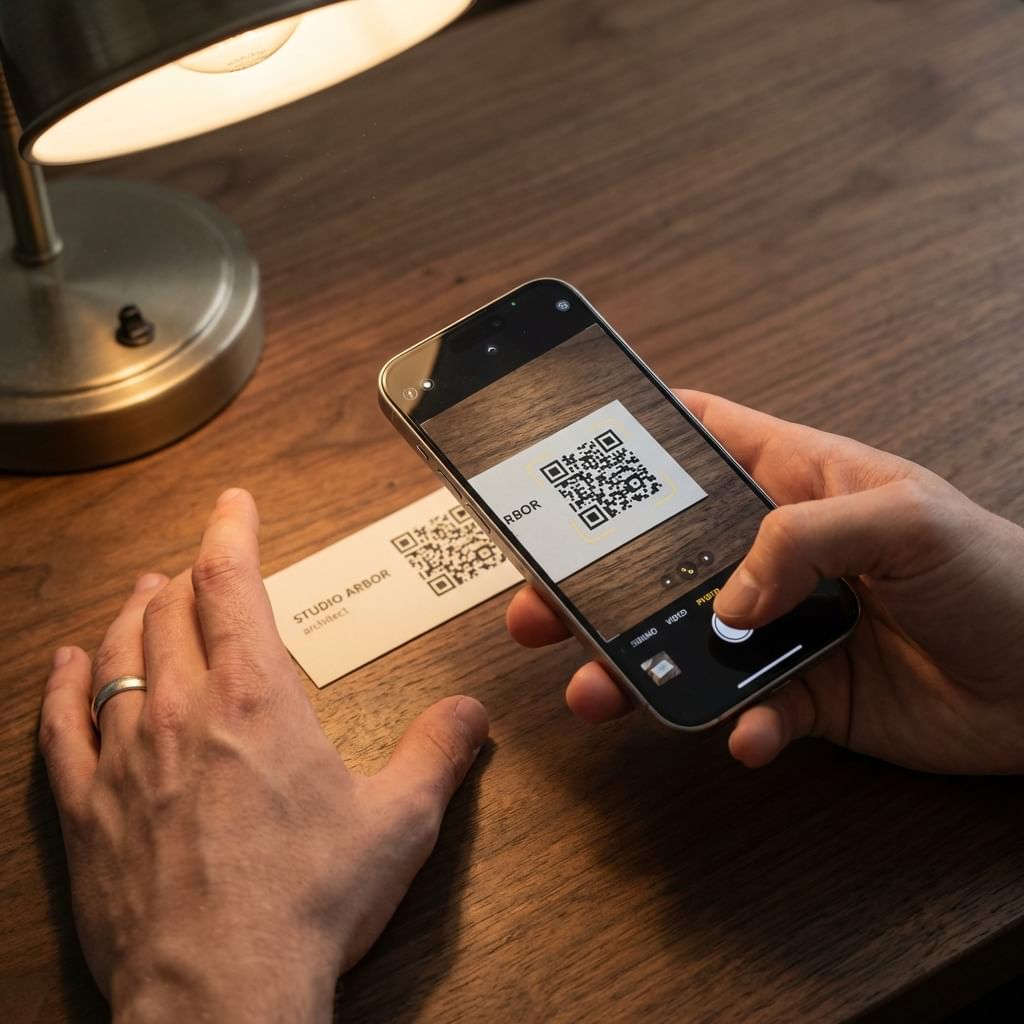
Business Networking Digital business cards via QR codes eliminate the lost-card problem. Scan, save contact, connect on LinkedIn—all in seconds. No typing required.
Platform Comparison: What Sets H0p Apart
The market offers dozens of QR code generators, from free bare-bones tools to enterprise platforms charging hundreds monthly. Most fall into predictable patterns: limited features at low price points, or comprehensive features at premium prices.
This is where pricing strategy matters. The typical industry leader charges $9-199 monthly for features like unlimited codes, custom domains, and analytics. For small businesses and solo creators, these prices create barriers.
H0p takes a different approach. At $5.99 monthly, the platform delivers what typically requires premium enterprise plans elsewhere: unlimited short links, unlimited clicks, up to 100 custom domains, advanced QR code customization with logo support, comprehensive analytics with 2-year retention, and API access.
The custom QR code generator includes full design control—colors, gradients, dot styles, corner styles, and logo integration. But unlike competitors that silo features across pricing tiers, H0p bundles everything together. You're not paying extra for analytics, or custom domains, or bulk generation. It's all included.
The value proposition is straightforward: professional-grade tools at indie-friendly pricing. For businesses generating hundreds of QR codes monthly, the cost difference between H0p and competitors can reach thousands annually.
Advanced Techniques: Going Beyond Basic Customization
Once you've mastered the fundamentals, these advanced strategies separate good QR codes from great ones.
Geo-Targeting Rules Send users to different destinations based on their location. A retail chain might direct NYC scanners to their Manhattan location while LA scanners see Beverly Hills. This requires dynamic QR codes with geo-targeting capabilities—a feature often locked behind premium tiers.
A/B Testing Destinations Run multiple landing page variants and measure which converts better. Dynamic QR codes make this trivial: same printed code, different test destinations over time. Track performance, identify winners, optimize accordingly.
Password Protection Launch exclusive content or beta products with password-protected QR codes. Share the password with select audiences while the code itself remains public. This creates artificial scarcity and premium positioning.
Expiration Dates Time-limited offers work because urgency drives action. Set QR codes to expire after specific dates, automatically redirecting to new campaigns or deactivating entirely. The FOMO factor increases scan rates during active campaign windows.
Deep Linking For mobile apps, deep links open specific screens instead of just the app homepage. A product QR code can open directly to that product page in your app, bypassing navigation friction. This seamless experience can triple conversion rates compared to generic app opens.
Common Mistakes That Kill Scan Rates
Even experienced marketers make these errors. Avoid them.
Insufficient Testing You generated the code, it scans on your phone, so it's ready to print, right? Wrong. Test across iPhone and Android, different camera apps, various lighting conditions, and multiple distances. What works in your office might fail in the real world.
Ignoring Error Correction QR codes have built-in error correction at varying levels (L, M, Q, H). Higher levels mean the code can sustain more damage or logo coverage while remaining scannable. For codes that will be printed, shipped, or handled frequently, use Q or H error correction.
Poor Placement A beautifully designed QR code on a billboard 50 feet from viewers is useless. Consider scanning distance and user context. Can they actually scan from where they'll encounter your code?
Missing Call-to-Action Never assume users know what to do. "Scan me" is better than nothing, but specific is better: "Scan for exclusive access," "Get 15% off now," or "Watch the video tutorial." Tell them exactly what they'll get.
Using Static for Dynamic Needs Printing 10,000 brochures with a static QR code pointing to a campaign landing page? What happens when the campaign ends? The code becomes a dead end. Dynamic codes prevent this scenario.
The Future of QR Codes: AI and Beyond
The QR code evolution isn't slowing down. If anything, it's accelerating.
Artificial intelligence is reshaping QR code creation and management. AI-powered generators now create fully customized designs that maintain scannability while incorporating complex brand elements. These tools analyze thousands of successful codes to optimize patterns that balance aesthetics and functionality.
Animated QR codes are gaining traction for digital displays. While the code itself must remain static enough to scan, surrounding elements can animate to draw attention. Early adopters report 25-50% higher scan rates compared to static designs.
Integration with augmented reality represents another frontier. Scan a QR code on product packaging and trigger an AR experience showing the product in use, customer testimonials, or interactive demonstrations. This bridges physical and digital in ways that drive engagement.
The global QR code market is projected to reach $3.78 billion by 2026, growing at a 16.19% CAGR through 2030. This growth is driven by increasing adoption across industries and the expansion of use cases beyond simple URL redirects.
Making the Right Choice for Your Business
Choosing a QR code generator ultimately depends on your specific needs, budget, and growth trajectory.
For individuals and small projects with occasional QR code needs, free static generators suffice. They're limited but functional for permanent use cases.
For growing businesses running regular campaigns, dynamic codes become essential. The flexibility to update destinations, track performance, and maintain brand consistency across touchpoints justifies the investment.
For agencies and enterprises managing multiple clients or brands, look for platforms offering white-label options, team collaboration, and advanced analytics integration.
The key is matching features to actual needs. Don't overpay for enterprise features you'll never use, but don't handicap growth by choosing tools that can't scale.
Getting Started: Your Action Plan
Ready to create custom QR codes that convert? Here's your roadmap.
First, audit your current QR code usage. How many codes do you have deployed? Where do they lead? Are they tracked? This baseline informs your requirements.
Second, define your use cases. Marketing campaigns? Product packaging? Event materials? Digital business cards? Different applications demand different features.
Third, evaluate your budget against feature requirements. Calculate the total cost including design time, management overhead, and platform fees. Sometimes a slightly more expensive platform saves hours of manual work.
Fourth, choose your platform and start small. Run a pilot campaign with a dozen codes before committing to hundreds. Test, measure, iterate.
Fifth, establish design standards. Create templates that reflect your brand while maintaining scannability. Document guidelines for color usage, logo placement, and error correction levels.
Finally, implement tracking and optimization processes. Review analytics monthly, identify high and low performers, and adjust campaigns accordingly. QR codes aren't set-it-and-forget-it; they're living marketing assets that improve with attention.
Conclusion: The QR Code Revolution Continues
QR codes have evolved from utilitarian tools to powerful brand touchpoints. The businesses winning in 2026 understand this shift and invest accordingly.
Custom QR codes with proper branding, smart functionality, and strategic placement drive measurable results. The technology isn't complex, but the execution requires attention to detail and commitment to optimization.
As the market continues its explosive growth trajectory—with 433% scan increases and billions in market value—the question isn't whether to use QR codes. It's whether you're using them to their full potential.
The tools exist. The best practices are established. The ROI is proven. What you do with this information determines whether you're leading your industry or following it.
Start with one campaign. Make it custom. Make it branded. Make it trackable. Then scale what works.
The future of marketing is increasingly phygital—bridging physical and digital experiences seamlessly. QR codes sit at the intersection of these worlds, and customized implementations will continue separating market leaders from market followers.
Your move.